Adaptive Algorithms Drive Settlement Precision in Multi-Channel Digital Revenue Systems
Devon Vogel · Jun 19, 2026
Adaptive Algorithms Drive Settlement Precision in Multi-Channel Digital Revenue Systems
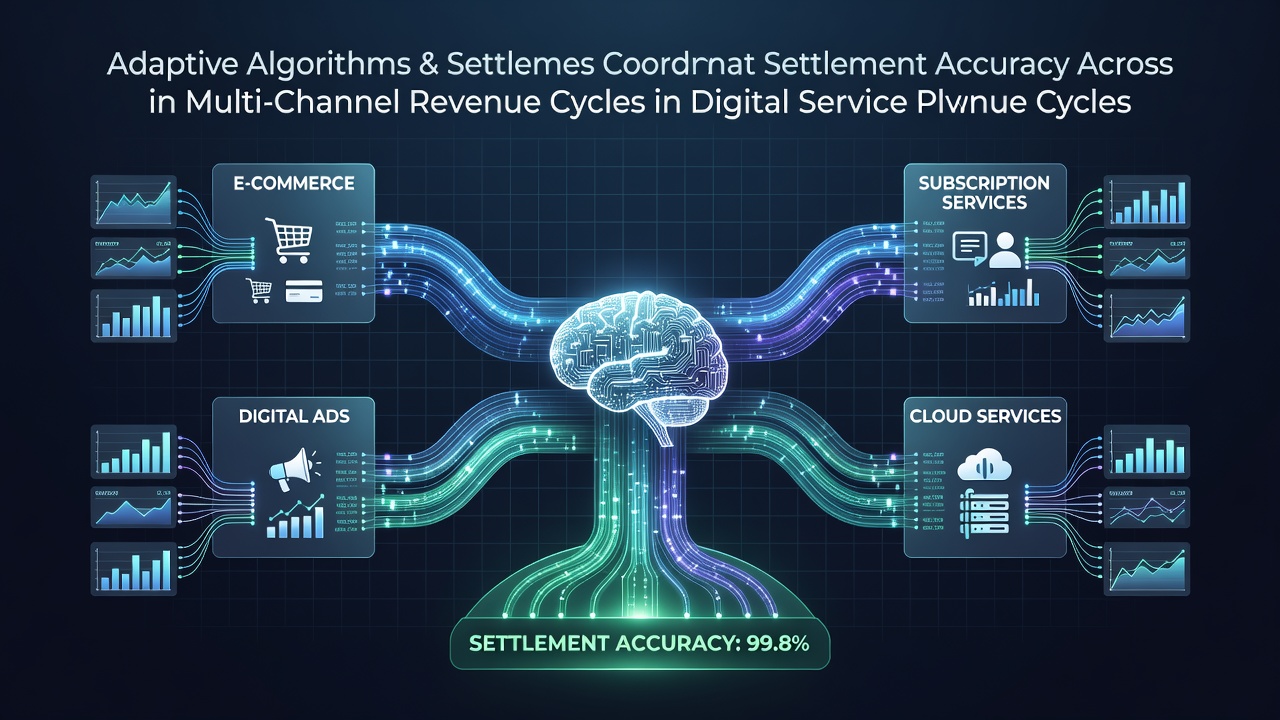
Digital service platforms handle revenue from subscriptions, in-app purchases, advertising, and usage-based billing, and adaptive algorithms now coordinate the flow of settlement data across these channels to maintain accuracy in real time. These systems adjust processing rules based on incoming transaction patterns, platform loads, and regulatory requirements while reducing discrepancies that once required manual reconciliation. Research from the Bank for International Settlements shows that platforms using such algorithms report settlement error rates dropping below 0.3 percent in multi-channel environments as of early 2026.
Core Functions Within Revenue Cycles
Revenue cycles in digital services move through authorization, capture, reconciliation, and final settlement stages, yet each channel introduces distinct data formats and timing variables. Adaptive algorithms monitor these stages continuously, compare expected versus actual inflows, and apply corrections without interrupting ongoing transactions. Observers note that this approach allows platforms to maintain consistency even when one channel experiences sudden volume spikes while others remain steady.
Settlement accuracy depends on matching payer details, service identifiers, and currency conversions across every participating network. Algorithms achieve this by maintaining dynamic reference models that update with each completed cycle, which means discrepancies surface within seconds rather than days. Data from the Reserve Bank of Australia indicates that similar algorithmic coordination reduced average reconciliation times by 47 percent among tested digital platforms between 2024 and 2026.
Coordination Across Channels
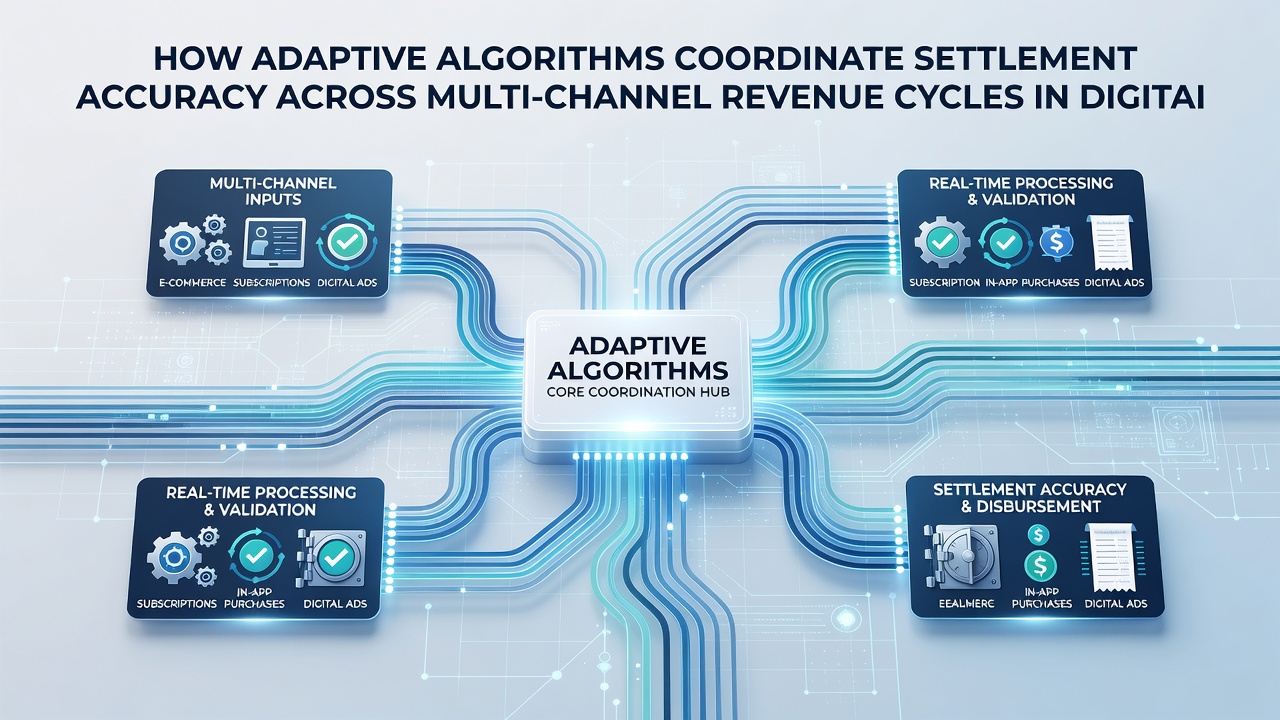
Multi-channel environments combine recurring billing systems with one-time purchases and advertising payouts, each carrying unique identifiers and fee structures. Adaptive algorithms create unified settlement ledgers by mapping channel-specific fields to common data standards, then apply weighting factors that prioritize high-volume streams during peak periods. This mapping process runs continuously, allowing adjustments when new payment methods appear or regional tax rules change.
Platforms often integrate these algorithms with existing processing networks so that settlement instructions reach banks and processors in synchronized batches. Researchers at the University of Toronto documented cases where algorithmic batching cut cross-channel timing mismatches by more than half, particularly when subscription renewals overlapped with promotional campaigns. The coordination extends to refund handling and chargeback flows, where algorithms rebalance accounts automatically once dispute resolutions arrive.
Accuracy Mechanisms and Data Inputs
Accuracy relies on continuous input from transaction logs, user behavior signals, and external compliance feeds. Algorithms compare these inputs against historical benchmarks and flag deviations that exceed predefined thresholds, then route suspect entries for automated review or secondary verification. European Central Bank reports from June 2026 highlight that platforms applying this layered verification achieved settlement accuracy above 99.7 percent across tested multi-currency environments.
Pattern detection plays a supporting role by identifying recurring anomalies tied to specific channels or time zones, after which the system recalibrates its matching criteria. Those who have studied these implementations note that the recalibration happens without manual intervention in most cases, preserving throughput while tightening precision. Additional inputs such as currency exchange rates and network latency measurements feed into the same models, ensuring that settlement amounts reflect actual received values rather than projected ones.
Implementation Patterns Observed in 2026
By June 2026 several large digital service providers had completed phased rollouts of adaptive settlement frameworks that link directly to their core billing engines. These deployments typically begin with parallel testing on lower-volume channels before expanding to primary revenue streams, which limits operational risk during transition periods. Industry analyses from the OECD indicate that phased approaches produced measurable accuracy gains within the first quarter of full operation.
Integration points usually include API endpoints that feed settlement data into centralized ledgers while preserving channel-specific audit trails. Algorithms then apply rule updates derived from compliance changes or network policy shifts, distributing those updates across all connected channels in coordinated waves. This method keeps settlement records aligned even when regulatory updates occur at different times in separate jurisdictions.
Conclusion
Adaptive algorithms now form a central component of settlement operations for digital service platforms that manage revenue across multiple channels. They coordinate data flows, apply real-time corrections, and maintain accuracy by drawing on continuous inputs and historical benchmarks. Evidence from regulatory bodies and academic studies confirms measurable reductions in error rates and reconciliation times as platforms adopt these systems. As digital revenue models continue to diversify, the coordination mechanisms described here provide the technical foundation for consistent settlement outcomes across expanding service ecosystems.