Advancements in Contactless Checkout Mechanisms for Retail Inventory Management
Hugo Sullivan · Jul 17, 2026
Advancements in Contactless Checkout Mechanisms for Retail Inventory Management
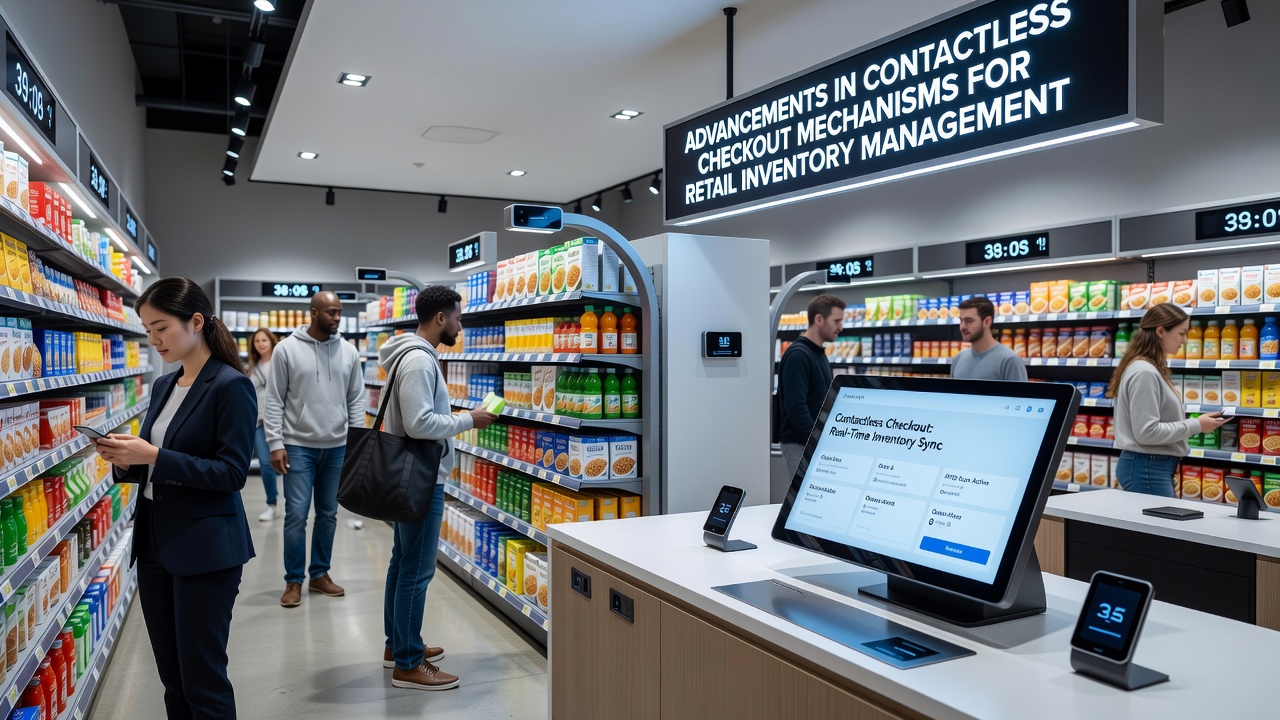
Retail operations have shifted toward contactless checkout mechanisms that combine near-field communication, radio-frequency identification tags, and computer vision to process transactions while updating stock levels in real time, and these systems reduce the need for manual scanning while maintaining accurate inventory records across multiple locations.
Early implementations relied on basic NFC readers at fixed terminals, yet recent developments incorporate multi-sensor arrays that detect items in shopping carts or baskets without requiring customers to remove products, and data from these sensors feeds directly into centralized inventory databases that adjust stock counts automatically as purchases complete.
Core Technologies Driving Integration
RFID tags embedded in product packaging transmit unique identifiers to overhead readers during checkout, while simultaneous updates occur in warehouse management software that tracks item movement from storage to sales floor, and this synchronization minimizes discrepancies between recorded and actual stock quantities that previously required periodic physical audits.
Computer vision cameras mounted above checkout zones identify product shapes, barcodes, and packaging details even when tags are absent or damaged, then cross-reference this information with inventory records to confirm availability before finalizing the sale, and research from institutions like teh National Institute of Standards and Technology has documented accuracy rates exceeding 98 percent in controlled retail trials.
Real-Time Data Flow and Inventory Accuracy
Once an item passes through a contactless zone, the system registers the transaction and decrements the corresponding inventory entry within seconds, which allows store managers to monitor low-stock alerts across departments without separate reporting cycles, and this continuous loop supports replenishment decisions that respond to actual demand patterns rather than delayed summaries.
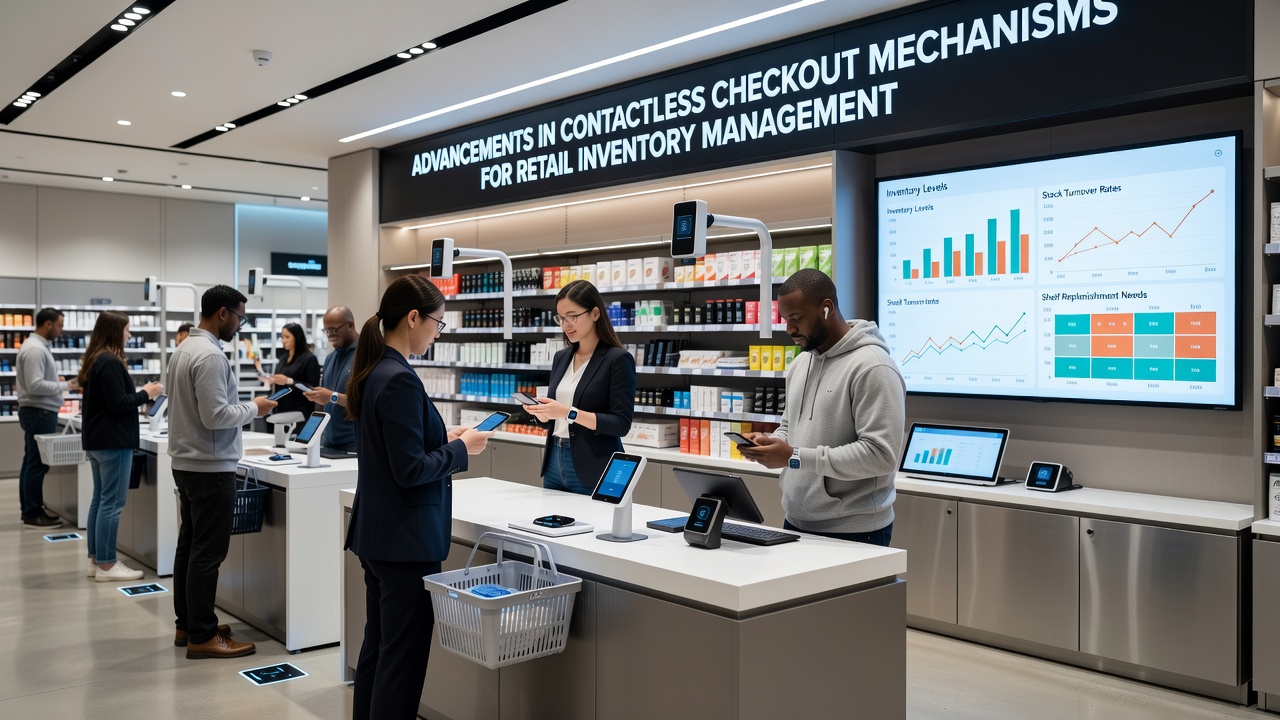
By July 2026, several major chains had deployed edge-computing nodes that process vision and RFID data locally before syncing with cloud-based inventory platforms, reducing latency during peak hours while preserving compliance with data-protection standards set by regulatory bodies such as the European Commission, and these nodes also log environmental factors like temperature for perishable goods to maintain quality alongside quantity tracking.
Role of Adaptive Algorithms in Multi-Channel Operations
Adaptive algorithms analyze patterns from contactless checkouts across physical stores and online fulfillment centers to predict stock needs, and they adjust reorder thresholds based on sales velocity recorded during each transaction, while integration with supplier portals triggers automatic purchase orders when thresholds drop below predefined levels.
Observers note that these algorithms handle multi-currency settlements and varying tax rules without manual intervention, and they maintain synchronization between checkout events and inventory ledgers even when items move between regions with different compliance requirements, according to findings from the Organisation for Economic Co-operation and Development retail technology assessments.
Security and Compliance Considerations
Encryption standards applied to data streams between checkout hardware and inventory servers prevent unauthorized access to transaction details that could reveal stock positions, and tokenization replaces sensitive identifiers with temporary codes that expire after each session, ensuring that inventory management platforms receive only anonymized updates necessary for stock control.
Retailers operating across borders align these mechanisms with guidelines from bodies including the Canadian Radio-television and Telecommunications Commission to meet wireless communication rules, and regular audits verify that contactless systems do not introduce vulnerabilities that might expose broader supply-chain data.
Implementation Examples Across Retail Formats
Grocery chains have installed overhead sensor arrays that process mixed baskets containing both tagged and untagged items in a single pass, updating produce weights and packaged goods counts simultaneously while the customer completes payment through a mobile application, and this approach has allowed one network to reduce restocking delays by coordinating directly with distribution centers through the same data pipeline.
Department stores apply similar technology at self-service kiosks that recognize apparel sizes and colors via visual markers, then adjust online and in-store availability records in tandem, and staff receive alerts through handheld devices when popular items require immediate transfer from backroom storage to maintain display levels.
Conclusion
Contactless checkout mechanisms continue to evolve through tighter coupling with inventory management platforms that leverage RFID, vision systems, and edge processing to deliver immediate stock updates, and ongoing refinements in July 2026 demonstrate measurable gains in accuracy and operational efficiency across diverse retail settings while satisfying regulatory expectations for data security and interoperability.