Charting Revenue Streams: Merchant Account Tactics for PCI-Aligned Invoice Handling in Subscription Ecosystems
Uma Fischer · May 20, 2026
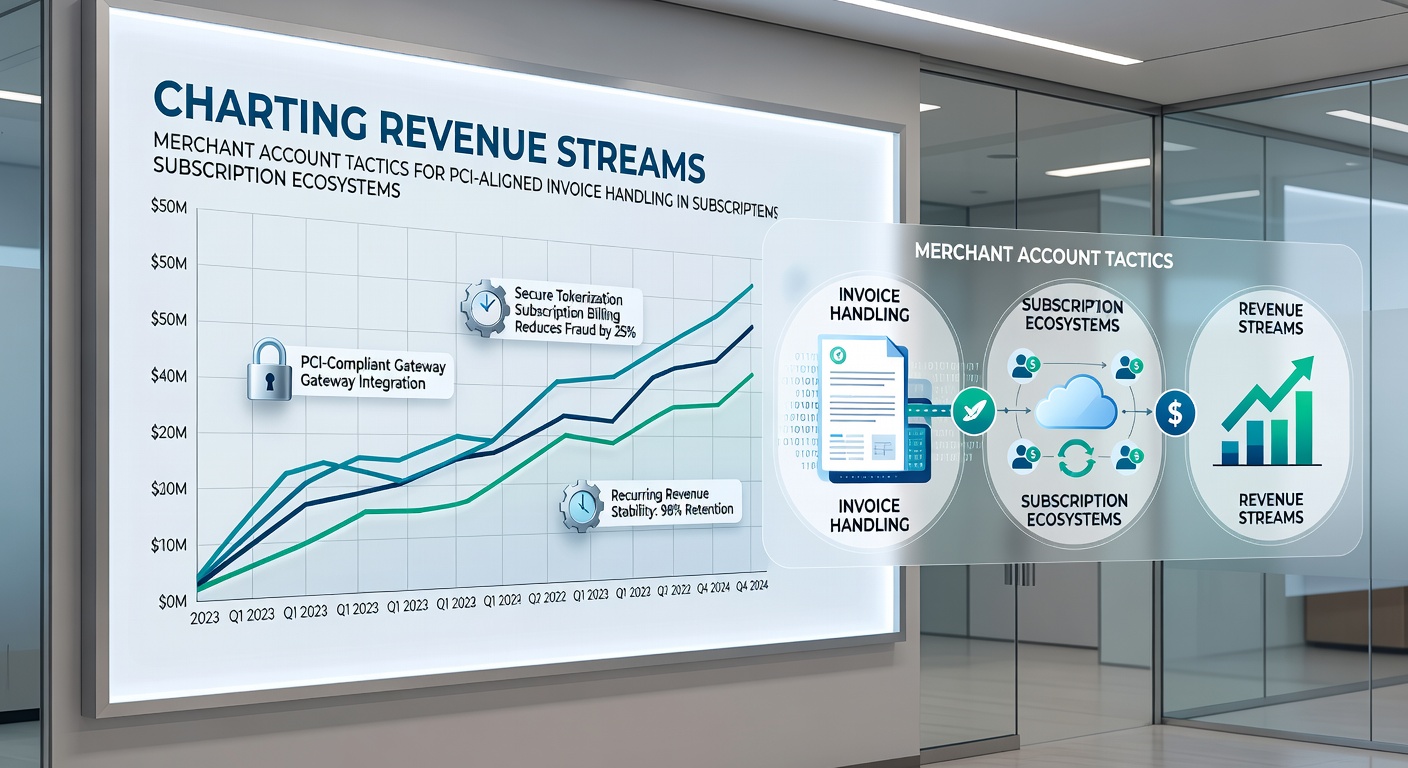
Charting Revenue Streams: Merchant Account Tactics for PCI-Aligned Invoice Handling in Subscription Ecosystems
Subscription ecosystems continue to expand across industries as businesses rely on recurring revenue models to stabilize cash flow and predict earnings with greater accuracy. Merchant accounts serve as the foundational layer that processes these ongoing transactions while maintaining strict adherence to PCI DSS requirements during every invoice cycle. Observers note that companies handling subscriptions must coordinate merchant account configurations with automated invoicing systems to reduce exposure and support seamless collections.
Establishing Merchant Accounts for Recurring Models
Merchant accounts designed for subscriptions incorporate specific parameters that accommodate variable billing frequencies and customer retention patterns. Providers often configure these accounts with features such as tokenization for stored payment details and automated retry logic for declined transactions. Data from payment networks indicates that properly structured accounts lower processing costs over time because they minimize manual interventions and consolidate reporting across multiple billing periods.
Those who manage subscription platforms frequently integrate merchant accounts directly with customer relationship tools so invoice generation pulls accurate pricing and tax data in one step. This connection helps maintain consistency when plans change mid-cycle or when add-on services activate automatically. Research indicates that organizations adopting these integrated setups experience fewer reconciliation errors at month-end closing.
PCI Alignment in Automated Invoice Processes
PCI DSS standards require that any system storing, processing, or transmitting cardholder data meets defined security controls, and subscription invoicing adds layers of complexity because recurring charges repeat without fresh customer input. Teams apply segmentation strategies that isolate payment environments from general business applications, which limits the scope of compliance audits. According to guidance from the PCI Security Standards Council, invoice templates must avoid retaining sensitive authentication data beyond the initial authorization window.
Encryption protocols applied at the point of capture extend through storage and transmission phases, while access logs track every staff member who views invoice details. In May 2026, several regional payment frameworks are scheduled to reference updated PCI DSS version requirements that emphasize continuous monitoring of recurring billing endpoints. Companies preparing for these timelines often conduct quarterly vulnerability scans focused on invoice APIs to stay ahead of assessment deadlines.
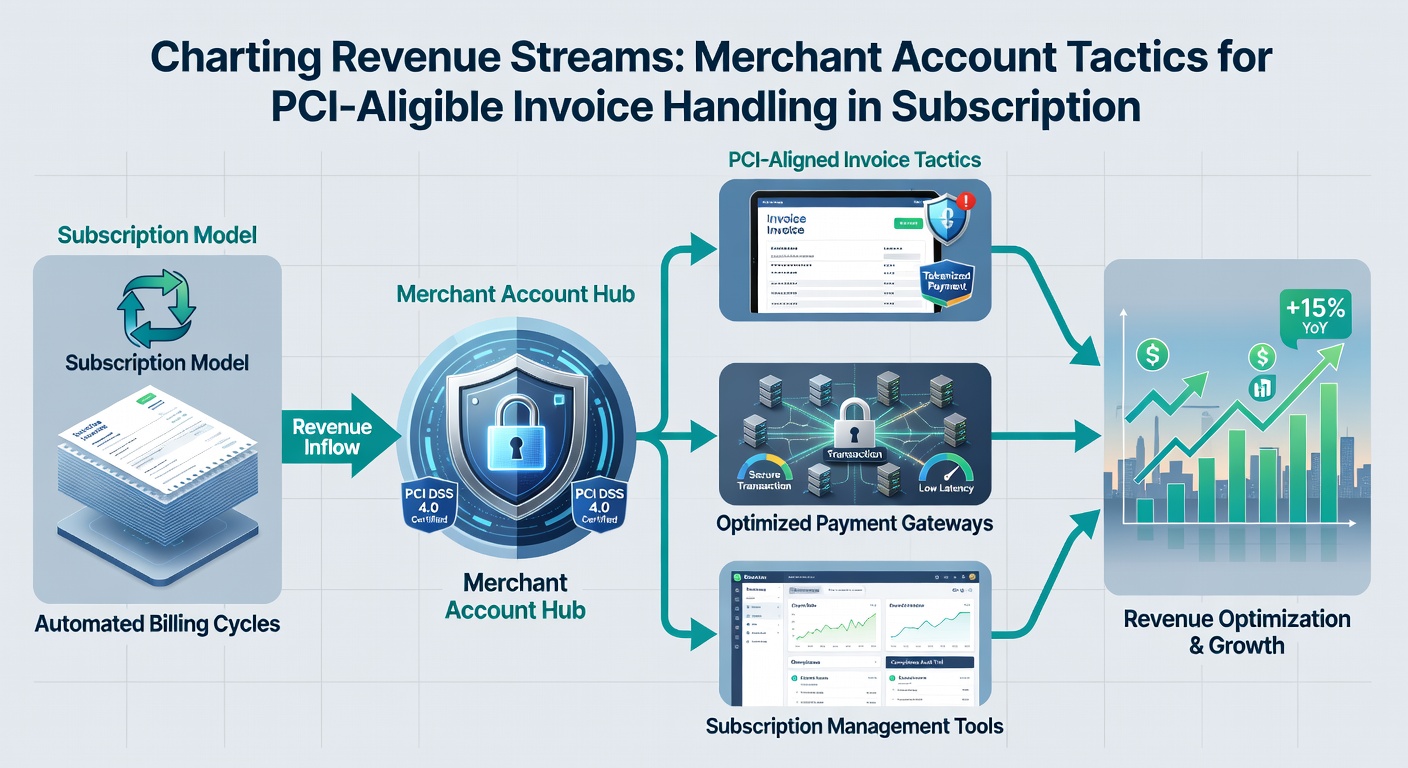
Tactics for Mapping Revenue Streams Through Compliant Channels
Revenue mapping begins with categorizing subscription tiers and assigning distinct merchant account descriptors that align with each pricing structure. This practice allows finance teams to trace incoming funds back to specific offerings without sifting through aggregated statements. Observers have seen organizations layer additional reporting fields into their merchant dashboards so monthly recurring revenue, annual prepayments, and usage-based charges appear as separate line items.
Automated dunning sequences triggered by failed invoices incorporate PCI-safe retry schedules that space attempts across several days rather than clustering them in short bursts. These sequences preserve customer relationships while still recovering revenue that might otherwise be lost. Figures reveal that staggered retry patterns, when combined with updated card-on-file validation, improve recovery rates without increasing chargeback ratios.
Cross-border subscription services introduce extra considerations because currency conversion fees and regional tax rules affect net revenue calculations. Merchant accounts equipped with multi-currency settlement options reduce the number of intermediary steps and keep invoice records cleaner for audit trails. One study of North American and European providers showed that unified settlement reduced reconciliation time by nearly a third when invoices crossed multiple jurisdictions.
Monitoring and Adjusting Account Configurations
Continuous monitoring of merchant account performance metrics helps identify patterns in invoice success rates and flags potential compliance gaps before they widen. Dashboards that combine transaction volume, dispute frequency, and PCI scan results give operations teams a single view for decision-making. Experts have observed that weekly reviews of these combined metrics allow quicker adjustments to billing rules when seasonal demand shifts occur.
Partnerships with acquiring banks often include dedicated support for subscription clients who need to update merchant category codes or add new invoice templates. These updates stay within PCI boundaries because changes route through secure portals that require multi-factor authentication. Data shows that accounts with proactive support channels experience fewer service interruptions during high-volume renewal periods.
Conclusion
Subscription businesses that align merchant account features with PCI-compliant invoice handling create clearer pathways for revenue tracking and reduce operational friction. The combination of tokenization, segmented environments, and scheduled compliance reviews supports both financial predictability and regulatory standing. Organizations that maintain these alignments position themselves to adapt when new standards or regional requirements emerge in the years ahead.