Dynamic Settlement Algorithms and Their Impact on Cross-Platform Recurring Mobile Payments
Uma Fischer · Sep 11, 2026

Dynamic Settlement Algorithms and Their Impact on Cross-Platform Recurring Mobile Payments
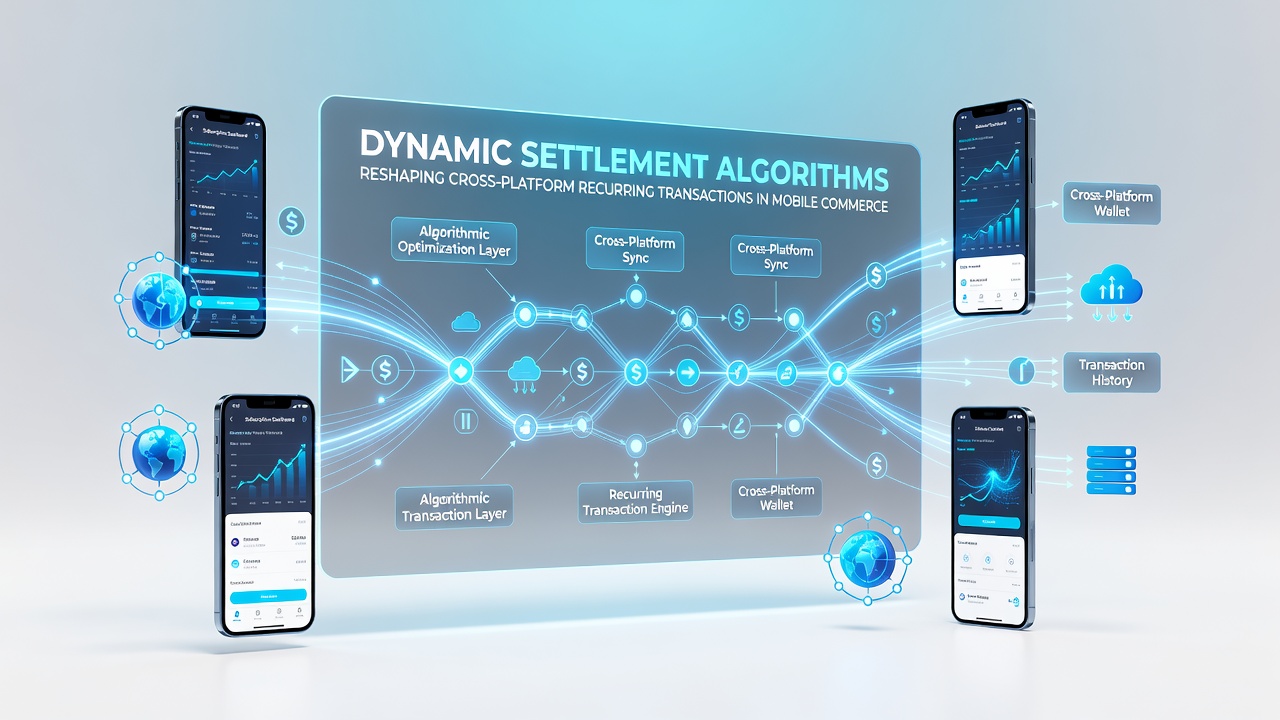
Dynamic settlement algorithms process recurring transactions by adjusting parameters in real time based on transaction volume, currency fluctuations, and platform-specific rules, and they operate across multiple mobile commerce systems without requiring manual intervention from merchants or processors. These systems analyze incoming payment requests from various applications, then route and settle funds according to predefined yet adaptable criteria that account for regulatory requirements in different jurisdictions.
Core Mechanisms Behind Algorithmic Settlements
Settlement algorithms rely on machine learning models that evaluate historical transaction data to predict optimal timing for fund transfers between payment gateways and merchant accounts, while they also incorporate live inputs such as exchange rates and network latency metrics. Researchers at institutions studying fintech infrastructure have documented cases where these models reduced settlement delays by coordinating batch processing across platforms that use different APIs and data formats.
One implementation involves splitting a single recurring charge into multiple micro-settlements when the algorithm detects potential compliance flags in a given region, and this approach maintains continuity for subscribers while satisfying local reporting standards. Data from payment network operators shows increased adoption of such techniques in markets where mobile subscription services span both domestic and international users.
Integration Across Diverse Mobile Ecosystems
Cross-platform functionality requires algorithms to interface with operating systems on smartphones and tablets, as well as backend billing engines used by service providers in sectors like streaming media, software subscriptions, and on-demand services. According to reports issued by the European Central Bank, settlement systems that incorporate dynamic rules have supported growth in cross-border mobile transactions by aligning with updated directives on electronic payments.
Take one developer team that integrated these algorithms into an existing billing platform; the result allowed automatic reconciliation of charges initiated through different app stores without separate reconciliation files for each store. Observers note that this reduces discrepancies that previously arose when platforms applied distinct tax calculations or refund policies.
Regulatory Alignment and Compliance Features
Algorithms incorporate checks against lists maintained by financial authorities, and they adjust settlement paths when transactions involve jurisdictions with specific anti-money laundering thresholds. The Federal Reserve has published analyses indicating that automated systems handling recurring charges can flag anomalies faster than static rule sets, thereby supporting compliance teams in meeting reporting deadlines.
Since September 2026 several mobile commerce providers have updated their settlement layers to reference revised guidelines from the Australian Securities and Investments Commission on digital payment processing, and these updates allow algorithms to apply jurisdiction-specific holds or releases based on transaction metadata. The result keeps recurring billing cycles intact while meeting documentation requirements across borders.
Performance Metrics and Observed Outcomes
Industry studies track metrics such as settlement success rates and average processing times before and after algorithm deployment, revealing measurable shifts in operational efficiency for merchants managing subscriptions across multiple regions. Figures from payment processors indicate that dynamic systems handle peak loads during promotional periods without proportional increases in manual overrides.
Those who maintain billing infrastructure for mobile services often report fewer chargeback incidents when algorithms route transactions through pathways that account for user location and preferred payment methods. This occurs because the models continuously refine their decision trees using aggregated, anonymized data from prior cycles.
Future Developments in Algorithmic Processing
Developments under discussion include deeper integration with real-time currency conversion engines and expanded use of predictive analytics to anticipate subscriber behavior patterns that affect settlement volumes. Academic papers from research centers focused on digital finance outline potential extensions that would allow algorithms to coordinate with emerging central bank digital currency frameworks.
Coordination between mobile operating system vendors and payment networks continues to shape how these algorithms receive and interpret device-level signals, and this ongoing work supports more granular control over recurring transaction flows.
Conclusion
Dynamic settlement algorithms continue to influence how recurring transactions move through mobile commerce channels by adapting to technical, regulatory, and operational variables in coordinated fashion. Their deployment across platforms demonstrates measurable effects on processing speed and compliance alignment, as evidenced by data from multiple regulatory and industry sources. Ongoing refinements in these systems reflect broader trends in automated financial infrastructure.