Encryption Protocols Powering Secure Connections Between Payment Gateways and Subscription Platforms
Uma Fischer · May 22, 2026
Encryption Protocols Powering Secure Connections Between Payment Gateways and Subscription Platforms
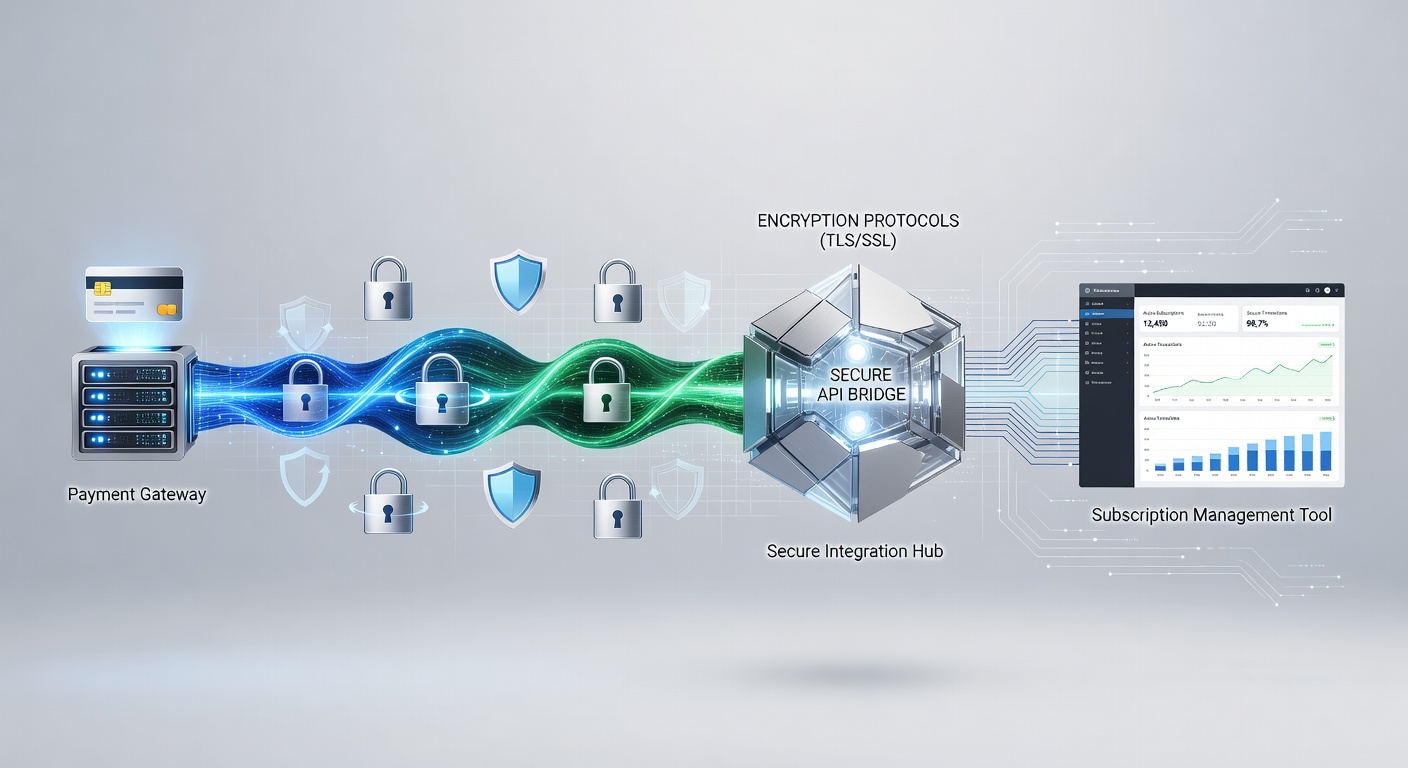
Encryption protocols form the backbone of data protection when payment gateways connect with subscription management tools, and they handle sensitive customer information during recurring transactions. These protocols convert readable data into coded formats that only authorized systems can decode, and this process prevents interception during transmission across networks. Standards such as Transport Layer Security version 1.3 combined with Advanced Encryption Standard 256-bit keys establish secure channels, while organizations rely on these measures to meet compliance requirements like those outlined by the Payment Card Industry Data Security Standard.
Core Mechanisms in Protocol Application
Payment gateways transmit card details and billing data to subscription platforms through application programming interfaces, yet without encryption this exchange would expose information to potential breaches. Researchers at the National Institute of Standards and Technology have documented how asymmetric algorithms like RSA initiate handshakes, after which symmetric ciphers take over for ongoing data streams. Subscription management tools receive encrypted payloads, decrypt them using shared session keys, and then store tokenized representations instead of raw card numbers. This approach reduces storage risks, and it allows platforms to process renewals without repeated exposure of primary account details.
Data indicates that tokenization works alongside encryption to replace sensitive values wth unique identifiers, and these tokens map back to original data only within secure vaults controlled by the payment processor. In practice one subscription service might integrate with a gateway using OAuth 2.0 flows protected by TLS, which ensures that authentication tokens travel encrypted from the outset. Observers note that such layered defenses address both transit and at-rest vulnerabilities, adn they scale across high-volume recurring billing environments where thousands of updates occur daily.
Integration Workflows and Protocol Layers
Developers configure subscription platforms to initiate encrypted API calls when a customer signs up for recurring services, and the gateway responds with confirmation messages wrapped in the same protocol stack. End-to-end encryption extends protection beyond initial setup, so each billing cycle triggers fresh handshakes that negotiate new session keys. This dynamic key rotation limits the window during which any single key remains valid, and it aligns with guidelines from the European Union Agency for Cybersecurity that emphasize forward secrecy in modern deployments.
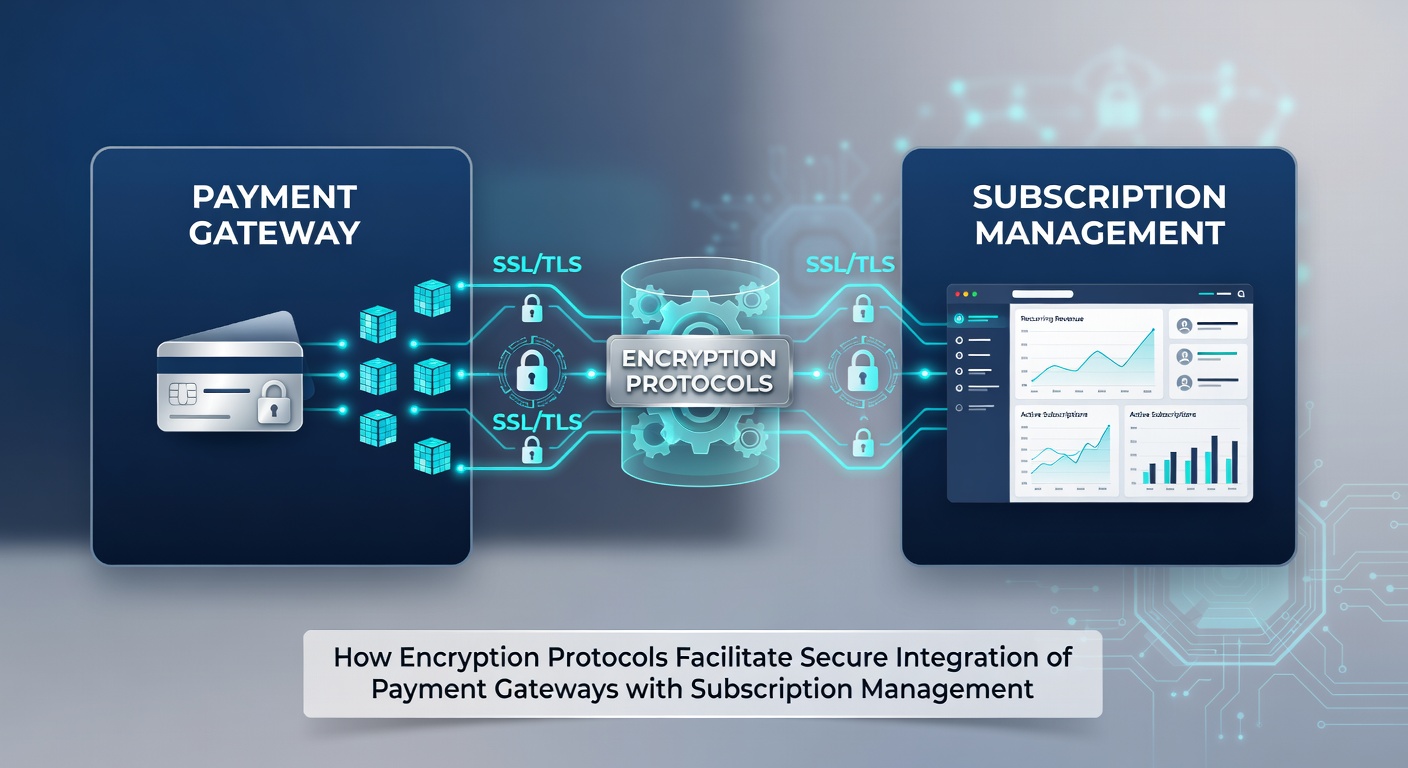
Subscription tools often operate across cloud environments, which means encryption must span multiple data centers without introducing latency that disrupts user experiences. Protocols support hardware security modules that store private keys offline, and these modules perform cryptographic operations without exposing keys to application servers. Studies from academic institutions have shown that such hardware-backed encryption maintains performance levels even when processing millions of subscription events per month, and the resulting audit logs help organizations demonstrate adherence to regulatory frameworks.
Compliance and Evolving Standards Through 2026
Regulatory bodies require encryption strength that matches current threat models, and payment gateways update their implementations as new vulnerabilities surface. As of May 2026 several jurisdictions have begun enforcing updated cipher suite restrictions that phase out older algorithms, which pushes subscription platforms to adopt post-quantum cryptography pilots alongside existing TLS configurations. These transitions occur gradually because gateways and management tools must maintain backward compatibility during migration periods.
Evidence from industry reports reveals that organizations completing protocol upgrades report fewer incidents involving data exposure during billing cycles. Subscription platforms integrate monitoring tools that verify encryption status on every transaction, and automated alerts notify teams if a connection falls back to weaker settings. This proactive stance supports continuous compliance rather than point-in-time assessments.
Practical Examples Across Sectors
Take one enterprise software provider that linked its recurring billing system to multiple payment gateways using encrypted webhooks. Each webhook payload carries subscription status updates signed with digital certificates, which the receiving system validates before processing changes. Another case involved a media streaming service that adopted mutual TLS authentication so both gateway and subscription platform verify each other's identities before exchanging customer data. These implementations demonstrate how encryption protocols enable flexible yet secure connections regardless of transaction volume or geographic distribution.
Conclusion
Encryption protocols continue to underpin reliable integrations between payment gateways and subscription management tools by protecting data throughout its lifecycle. They combine established standards with ongoing adaptations to meet emerging requirements, and they allow organizations to handle recurring payments while satisfying security mandates. As protocols evolve through 2026 and beyond, their consistent application remains central to maintaining trust in digital subscription ecosystems.