Exploring Data Shielding Techniques in Automated Billing Networks for Global Retail Mobility Systems
Dana Ludwig · Aug 26, 2026
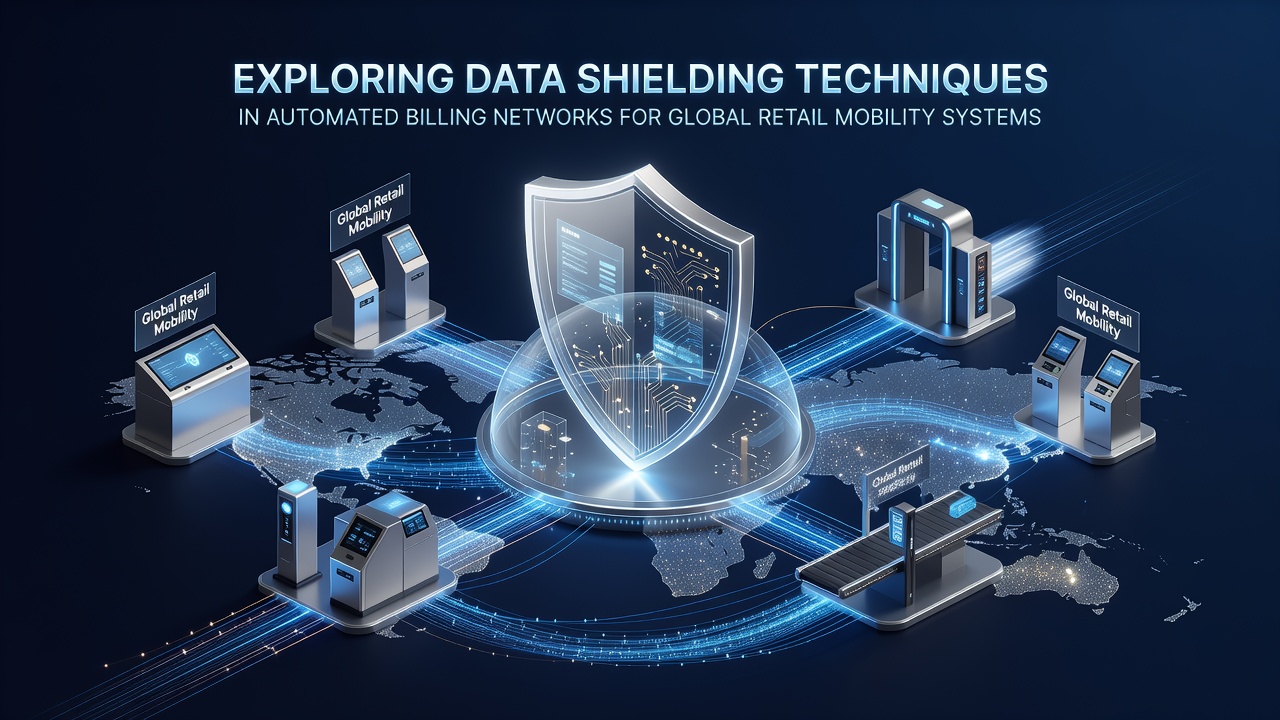
Exploring Data Shielding Techniques in Automated Billing Networks for Global Retail Mobility Systems
Automated billing networks handle vast volumes of transaction data across global retail mobility systems, where devices move between locations and process payments in real time. Data shielding techniques protect sensitive information during these operations by limiting exposure while maintaining processing accuracy. Researchers at institutions focused on information security have documented methods that reduce unauthorized access risks in environments where retail transactions cross borders frequently.
One approach involves data minimization protocols that strip unnecessary identifiers from records before they enter billing workflows. Systems apply these rules at the point of data capture, which cuts the amount of personal details stored in automated ledgers. Observers note that such practices align with standards outlined by the National Institute of Standards and Technology, where guidelines emphasize selective data retention to support compliance across multiple jurisdictions.
Core Shielding Methods in Mobile Billing Environments
Data masking replaces specific values with surrogate characters or numbers during transmission between mobile terminals and central billing servers. This process occurs in stages, allowing downstream systems to perform calculations without seeing original customer identifiers. Retail networks that serve international clients often combine masking with fragmentation, splitting records across separate storage nodes so that no single location holds complete datasets.
Pseudonymization takes this further by linking masked entries to temporary keys stored separately. When August 2026 updates to cross-border data rules take effect, operators expect these keys to rotate at shorter intervals to match new audit requirements in regions including the European Union and Canada. Figures from industry reports indicate that networks using rotating pseudonyms experience fewer incidents of bulk data exposure during routine synchronization between portable devices and backend processors.
Secure processing environments add another layer by confining computations to isolated hardware modules. These modules execute billing logic without exposing raw inputs to the broader network operating system. Experts have observed that retail mobility platforms deploying such environments report steadier performance during peak transaction periods because shielding operations run in parallel rather than sequentially.
Integration Patterns Across Global Retail Systems
Global retail mobility setups connect point-of-sale units in vehicles, pop-up locations, and handheld units to shared billing platforms. Shielding techniques must accommodate variable connectivity while preserving data integrity. One documented pattern uses distributed ledgers to log access events without storing actual transaction content, which gives auditors visibility into data flows without increasing exposure surfaces.

Studies from academic sources show that combining shielding with access segmentation reduces the blast radius of any single breach. In practice, billing cycles for subscription services tied to mobile inventory management separate customer profiles from usage logs at the earliest stage. This separation lets settlement engines calculate charges using aggregated figures while individual records remain shielded behind additional authentication gates.
Operators in Asia-Pacific markets have tested shielding frameworks that adapt dynamically to local regulations. When networks detect a device crossing into a stricter jurisdiction, they trigger additional masking routines without interrupting the billing sequence. Data from these trials, referenced in reports by the European Data Protection Supervisor, highlight measurable drops in compliance queries after implementation.
Operational Considerations for Network Operators
Deployment of shielding techniques requires coordination between device manufacturers and billing software providers. Testing protocols now include simulated mobility scenarios where devices switch networks mid-transaction to verify that shielding remains intact. Those who've examined these tests report that latency stays within acceptable bounds when masking operations occur at the edge rather than in centralized data centers.
Training datasets used to refine anomaly detection models also benefit from shielding, since synthetic records generated through differential privacy methods preserve statistical properties without revealing individual transactions. Retail chains operating across continents apply these methods to maintain model accuracy while meeting data residency obligations in each market they serve.
Conclusion
Data shielding techniques continue to evolve alongside the expansion of automated billing networks in global retail mobility systems. Methods such as minimization, masking, pseudonymization, and secure enclaves address exposure points that arise when transactions span multiple devices and regulatory zones. As standards update in periods like August 2026, operators integrate these approaches to sustain both operational continuity and regulatory alignment across diverse markets.