Forging Secure Pathways: Linking Payment Gateways to Recurring Billing Systems for Enhanced Mobile Fraud Protection
Uma Fischer · May 15, 2026
Forging Secure Pathways: Linking Payment Gateways to Recurring Billing Systems for Enhanced Mobile Fraud Protection
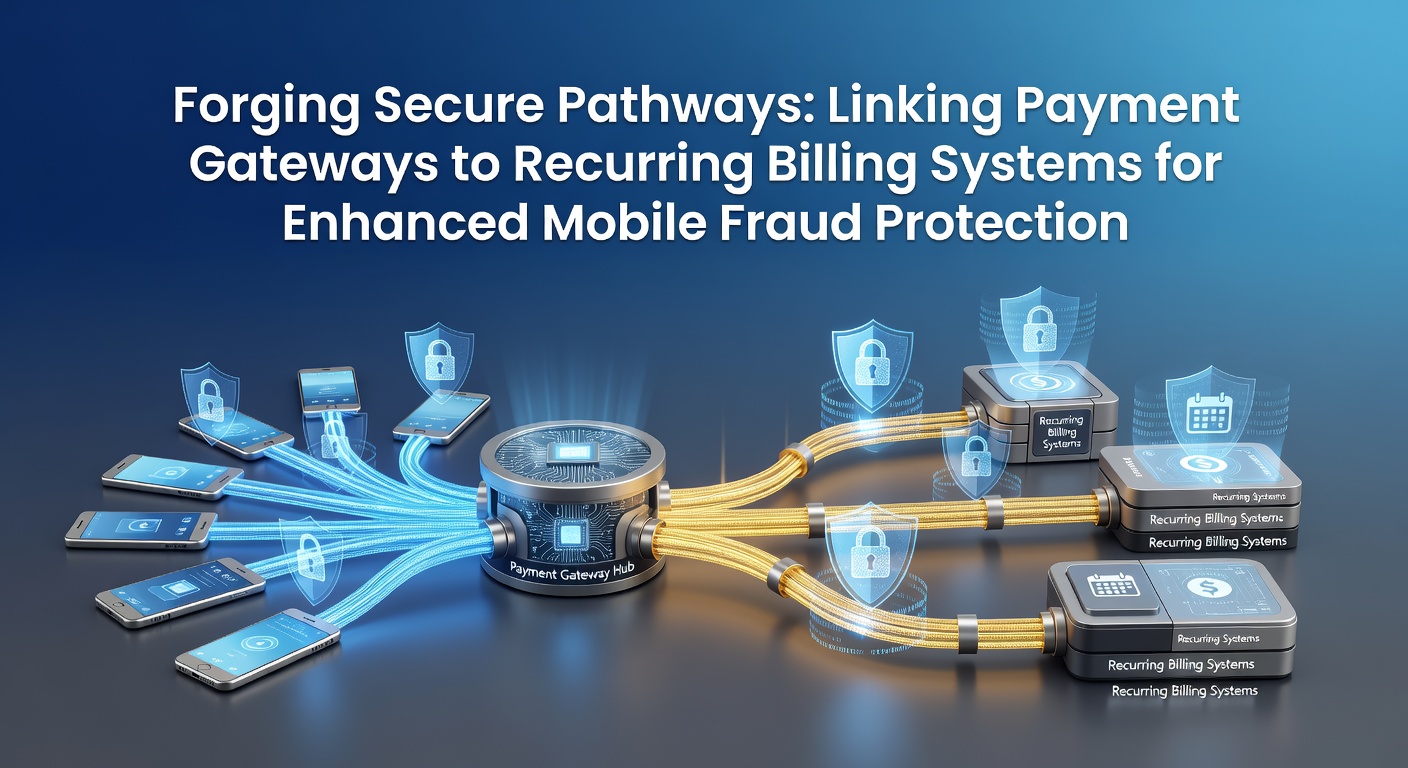
Payment gateways connect directly to recurring billing platforms through encrypted APIs that validate each transaction in real time while mobile users continue their subscriptions without interruption, and this linkage creates multiple layers of verification that flag suspicious patterns before charges process. Systems built on these connections rely on tokenization to replace card details with unique identifiers that never expose full account numbers during mobile sessions.
How Gateways and Billing Systems Align
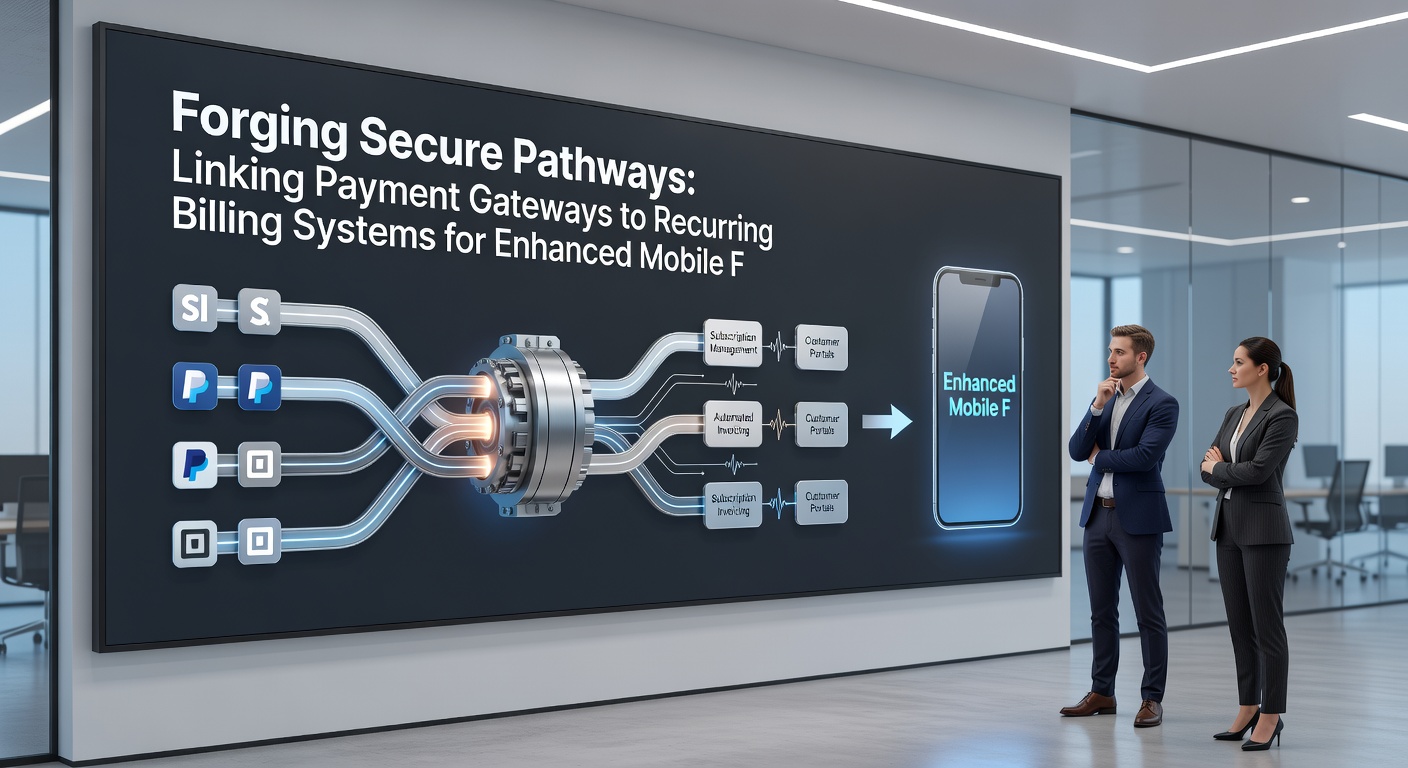
Developers configure payment gateways to sync with billing engines using standardized protocols that update subscription status instantly across devices, and these alignments allow automatic retries on declined payments while monitoring velocity checks that limit rapid successive attempts from a single mobile IP address. Integration points include webhook notifications that push fraud alerts from the gateway straight into the billing dashboard, so administrators receive immediate details on any anomaly detected during a recurring cycle.
Tokenization standards established by the PCI Security Standards Council ensure that stored payment credentials remain protected even if a mobile app experiences a breach, and recurring billing software pulls these tokens only when scheduled charges approach. Mobile fraud often targets subscription flows because users authorize once and then forget the details, yet the combined system cross-checks device fingerprints against historical usage data to spot deviations such as new locations or unusual time stamps.
Mobile-Specific Fraud Vectors in Recurring Payments
Attackers increasingly exploit mobile vulnerabilities through SIM swapping and credential stuffing attacks aimed at subscription accounts, while recurring billing systems that lack gateway-level behavioral analysis leave gaps that allow repeated small charges to slip through undetected. Research from payment security firms indicates that mobile transaction fraud rates rose notably in early 2026, prompting many providers to strengthen their linkage protocols ahead of peak subscription renewal periods.
Device emulation tools used by fraudsters create synthetic mobile environments that mimic legitimate user behavior, but gateways equipped with machine learning models compare session data against global patterns collected from millions of prior transactions. When a recurring billing request arrives from an emulated device, the gateway can halt the process and trigger additional authentication steps such as biometric confirmation or one-time passcodes sent via separate channels.
Technical Mechanisms That Strengthen Protection
Real-time risk scoring engines inside modern gateways evaluate each recurring request against dozens of signals including geolocation, network type, and spending velocity, and they feed results directly into the billing system so high-risk attempts receive manual review or automatic decline. European Union payment regulations under PSD2 require strong customer authentication for many electronic transactions, and gateways that incorporate these rules into recurring flows help billing platforms stay compliant without disrupting user experience.
Batch processing windows allow gateways to run aggregated fraud checks across multiple subscriptions before final authorization, and this approach catches coordinated attacks that target numerous accounts simultaneously. Observers note that companies adopting these synchronized methods report measurable drops in chargeback volumes, particularly on mobile platforms where users frequently switch networks and devices.
Data Trends and Implementation Patterns
Industry figures released in May 2026 showed that organizations with tightly coupled gateway and billing systems experienced up to 35 percent fewer mobile-related disputes compared with those using disconnected tools, and the data came from aggregated reports across North American and Asian markets. Implementation typically begins with API mapping sessions that align field names and security parameters between the two platforms, followed by staged testing that simulates thousands of recurring scenarios under controlled conditions.
Some enterprises choose cloud-based connectors that handle encryption and key rotation automatically, reducing the internal development burden while maintaining audit trails required by regulators. Others build custom middleware that adds proprietary rules tailored to their specific customer base and transaction mix, yet both paths depend on continuous monitoring to adapt as fraud tactics evolve.
Operational Benefits Observed Across Sectors
Finance teams gain clearer visibility into subscription health when gateways push granular fraud metrics into billing analytics dashboards, and this transparency supports faster decisions on whether to pause or adjust problematic accounts. Support staff handle fewer escalation calls because proactive blocks prevent most unauthorized charges from reaching customers in the first place.
Subscription businesses that serve global audiences benefit when gateways apply regional compliance rules automatically, such as those from the Australian Securities and Investments Commission for certain financial products or similar frameworks in other jurisdictions. The unified system reduces duplicate data entry and minimizes human error that can create security openings during manual updates.
Conclusion
Linking payment gateways with recurring billing systems produces measurable improvements in mobile fraud defense through shared data streams, real-time scoring, and token-based credential protection. Organizations that complete these integrations position themselves to meet evolving regulatory expectations while maintaining smooth subscription experiences for legitimate users. Continued refinement of these connections will determine how effectively the industry counters emerging mobile threats in teh months and years ahead.