How Embedded Finance Solutions Are Reshaping Subscription Management in Retail Ecosystems
Uma Fischer · Aug 19, 2026
How Embedded Finance Solutions Are Reshaping Subscription Management in Retail Ecosystems
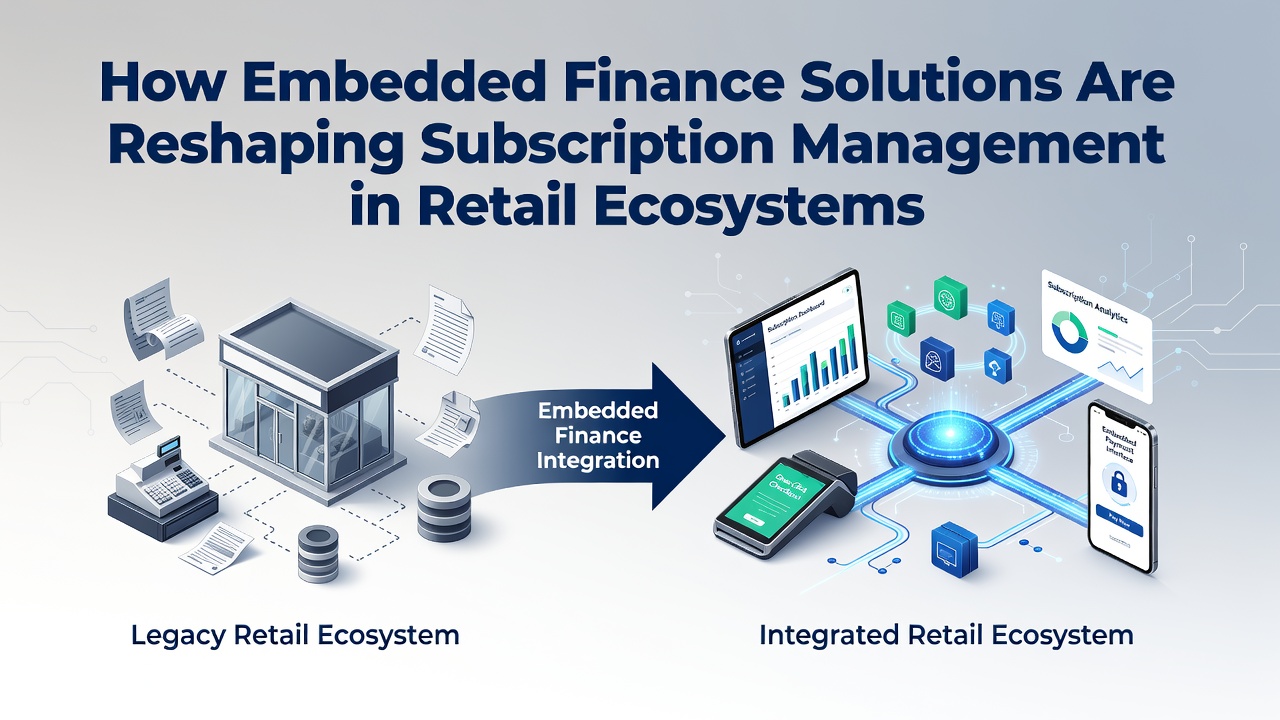
Data from industry analyses shows embedded finance solutions have integrated banking services such as payments, credit, and insurance into retail platforms, which alters how subscriptions operate across e-commerce and physical stores. Retailers embed these financial products within their apps and websites so customers access subscription models without leaving the primary interface, and this setup connects directly to billing cycles and inventory systems.
Studies indicate that by August 2026 the volume of embedded finance transactions in retail had risen notably, with platforms using these tools to offer recurring payments alongside options like installment financing or loyalty-linked credit lines. Observers note this integration reduces friction in subscription sign-ups because payment details pull automatically from user accounts managed within the same ecosystem.
Core Mechanisms of Embedded Finance in Subscriptions
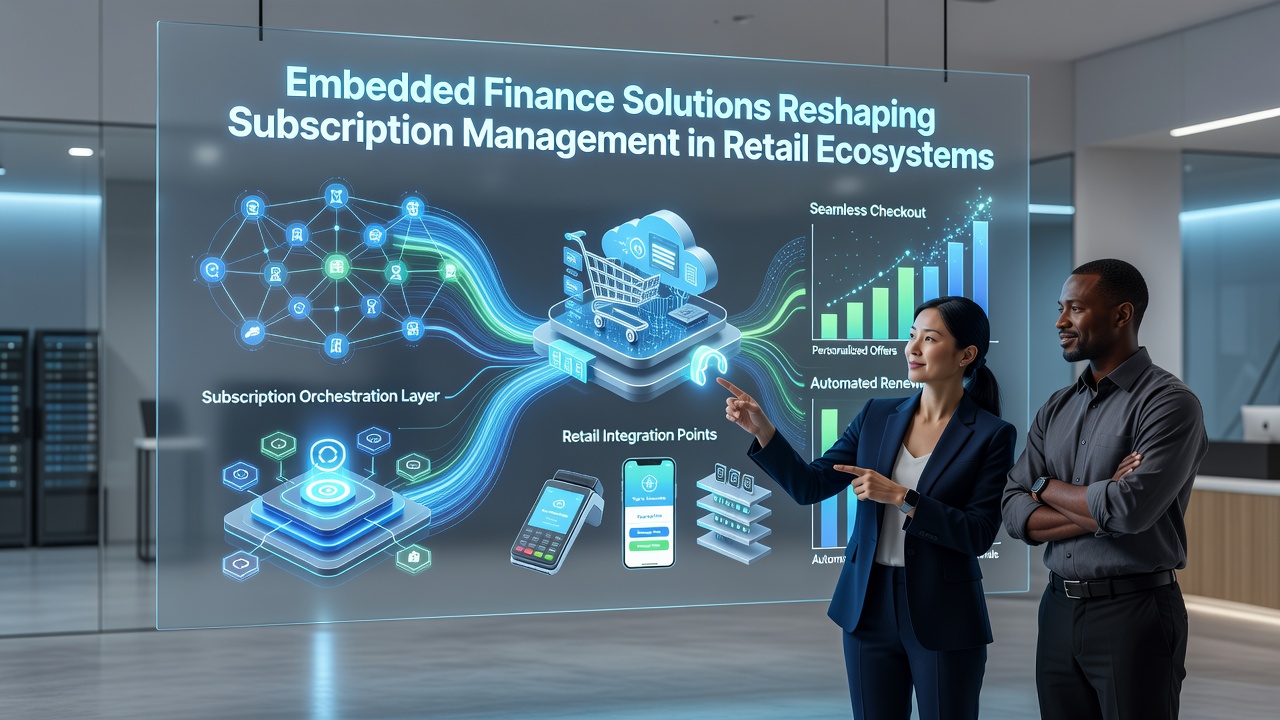
Retail systems now incorporate embedded finance through APIs that link payment processors to subscription management software, allowing automatic renewals while adjusting for customer spending patterns or credit profiles. This process operates in real time so retailers can offer personalized subscription tiers based on transaction history stored in the same platform. Research from financial institutions reveals these connections support multi-currency handling and compliance checks without separate external portals.
One case involves major retailers embedding buy-now-pay-later features into monthly subscription services for consumer goods, where the financing decision occurs instantly during checkout and ties into ongoing billing cycles. Data indicates such features have expanded subscription retention rates because users manage both the product delivery and the payment schedule from a single dashboard.
Effects on Retail Inventory and Customer Engagement
Embedded finance also influences inventory management because subscription models predict demand through integrated financial data streams, and retailers adjust stock levels based on recurring order patterns combined with credit utilization metrics. Figures from sector reports show that platforms using these solutions achieve tighter coordination between sales forecasts and supply chain operations, which minimizes overstock situations in categories like apparel and electronics.
Customer engagement benefits appear when embedded tools trigger notifications for subscription upgrades or add-on services funded through in-app credit facilities. Those who have examined these systems find that the unified experience encourages longer subscription tenures since all financial interactions remain within the retail app rather than redirecting users to external banks or processors.
Regulatory and Compliance Integration
Compliance requirements shape how embedded finance operates in subscription environments, and regulators in multiple regions have issued guidelines on data sharing between retailers and financial partners. A report from the Bank for International Settlements outlines standards for secure data flows in embedded services, while the Australian Securities and Investments Commission has published updates on consumer protections for recurring payment products. Retailers must align subscription platforms with these rules to handle consent management and transaction monitoring within the embedded framework.
Implementation often involves tokenization and encryption layers that protect payment credentials while allowing seamless renewals across borders. Evidence suggests these measures support international expansion of subscription services because retailers can verify customer eligibility through embedded credit checks without additional steps.
Examples Across Retail Segments
Grocery chains have adopted embedded finance to manage weekly or monthly produce subscription boxes, where financing options cover seasonal variations in pricing and link directly to loyalty points earned on each delivery. Technology retailers use similar setups for device upgrade programs that combine hardware subscriptions with insurance embedded in the same contract, and transaction records feed back into inventory replenishment algorithms.
Observers have documented cases where mid-sized retailers integrated embedded lending into subscription services for home goods, resulting in expanded customer bases among users who previously avoided recurring commitments due to cash flow concerns. These examples demonstrate how financial products become native to the retail experience rather than bolted on afterward.
Conclusion
Embedded finance continues to alter subscription management by creating unified platforms that handle payments, credit, and compliance in one flow. Retailers that implement these solutions see changes in how they structure billing, forecast demand, and maintain customer relationships across channels. As adoption grows, the connections between financial services and retail operations will likely deepen, supported by ongoing developments in API standards and regulatory frameworks.