Interfacing Digital Wallets with Periodic Billing Mechanisms for Enhanced Security in International Retail Platforms
Zoe Schmitz · Aug 21, 2026
Interfacing Digital Wallets with Periodic Billing Mechanisms for Enhanced Security in International Retail Platforms
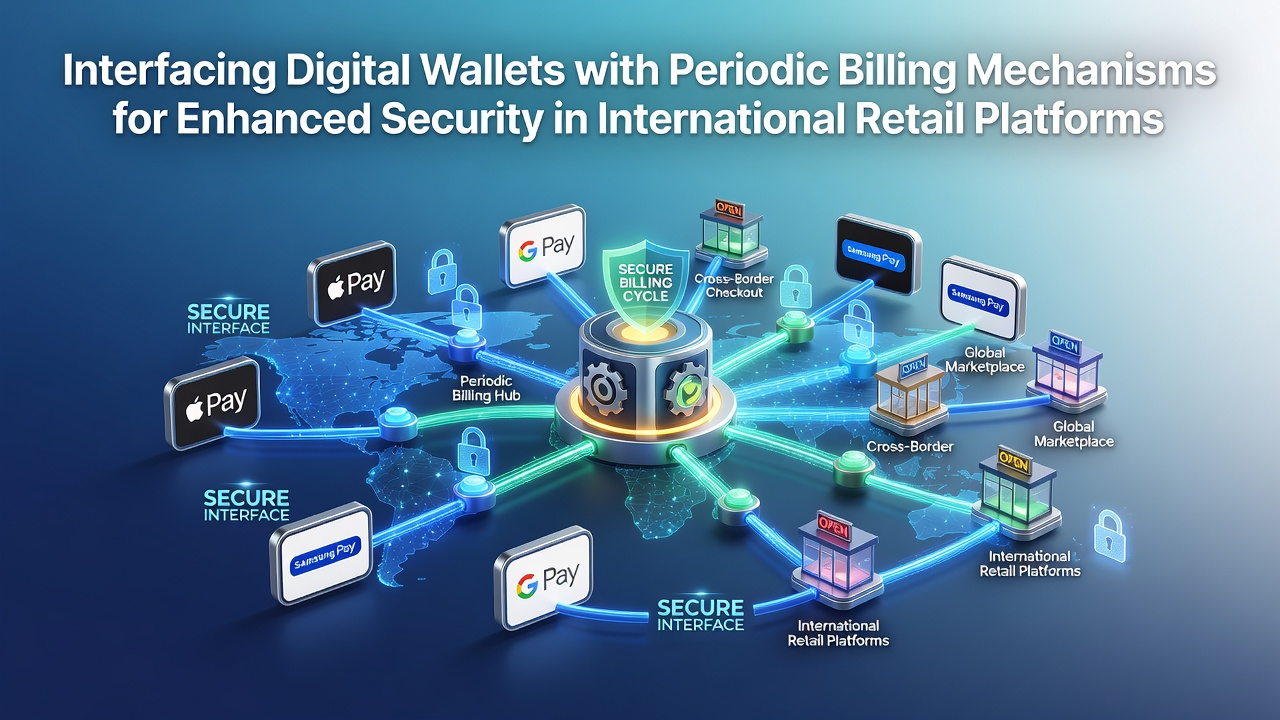
Digital wallets have become central to how consumers handle payments across borders, and their connection to periodic billing systems adds layers of protection that address fraud risks in global retail operations. Retail platforms operating in multiple countries rely on these interfaces to manage recurring charges while maintaining compliance with varying regional standards, and data from payment networks shows consistent reductions in unauthorized transactions when wallet credentials replace stored card details.
Core Components of Wallet and Billing Integration
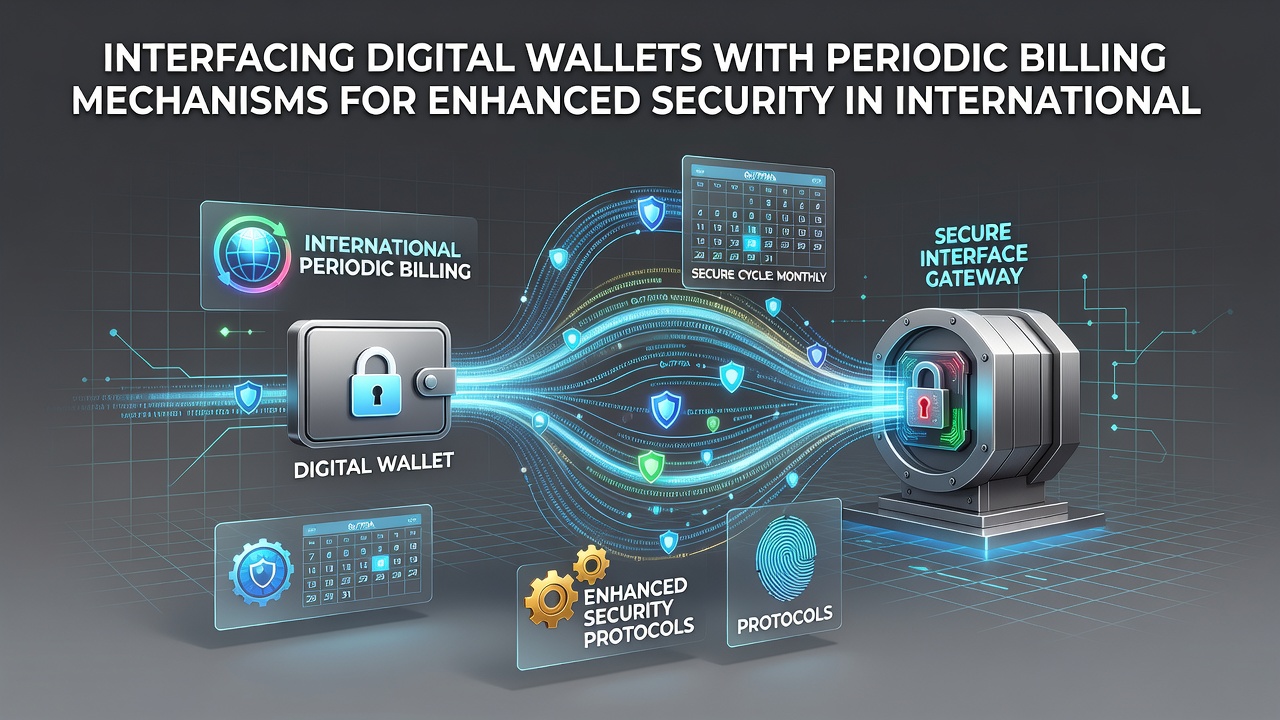
Periodic billing mechanisms process charges on schedules such as monthly or quarterly intervals, and interfacing them with digital wallets requires standardized APIs that transmit tokenized credentials instead of raw account numbers. This setup allows retail systems to initiate payments without retaining sensitive information on their servers, which aligns with international data protection requirements enforced in regions including the European Union and parts of Asia. Observers note that the process involves initial authorization through the wallet provider, followed by recurring consent checks that verify user approval before each cycle completes.
Security improves because wallet providers handle authentication through biometrics or device-bound keys, reducing exposure during cross-border transfers. In August 2026 reports highlighted adoption of these interfaces among major retail chains, with transaction volumes processed through such connections reaching significant shares of subscription-based sales in electronics and apparel sectors.
Security Protocols in Cross-Border Contexts
International retail platforms encounter distinct challenges from currency fluctuations and differing regulatory frameworks, yet wallet-to-billing linkages incorporate real-time verification steps that flag anomalies before settlement. These steps draw on device location data and transaction history maintained by the wallet, enabling platforms to apply dynamic risk scoring without manual intervention. Researchers have documented lower dispute rates in systems using these methods compared to traditional card-on-file approaches, particularly when billing cycles span multiple jurisdictions.
Token refresh cycles further strengthen the connection by updating credentials periodically, which prevents reuse of compromised identifiers. Platforms in North America and the Asia-Pacific region have implemented these updates through coordinated schedules that match local banking hours, ensuring minimal disruption to customer billing experiences.
Compliance Alignment Across Regions
Retail operators must satisfy rules such as those outlined in the European Commission's payment services framework alongside guidelines from the Reserve Bank of Australia on digital payment security. The European Commission documentation details strong customer authentication requirements that integrate naturally with wallet interfaces, while Australian standards emphasize secure storage and transmission practices for recurring mandates. These alignments allow platforms to apply uniform technical controls even when customer bases span continents.
Case examples include large e-commerce networks that updated their billing engines in 2025 to support wallet tokens, resulting in streamlined audit trails for regulators. Such changes also support multi-currency handling by converting charges at the point of authorization rather than settlement, which limits exposure to exchange rate volatility during billing windows.
Operational Workflows and Verification Steps
The typical workflow begins when a customer links a digital wallet to a retail subscription during checkout, triggering an initial consent token that the billing system stores for future reference. Before each periodic charge the platform sends a verification request to the wallet provider, which confirms the user's ongoing authorization and checks for account status changes. This exchange occurs through encrypted channels that meet global encryption benchmarks, and failure at any step halts the transaction while notifying the customer through the wallet app.
Retail platforms gain visibility into billing success rates through dashboards that aggregate data from multiple wallet providers, allowing adjustments to retry logic for failed attempts. Evidence from industry reports indicates these automated checks contribute to higher completion rates for international subscriptions, especially in categories like software services and media streaming where customers maintain accounts across borders.
Conclusion
Interfacing digital wallets with periodic billing mechanisms delivers measurable security gains for international retail platforms through tokenization, real-time verification, and regulatory alignment. Platforms that adopt these connections report fewer incidents of account takeover and smoother handling of recurring charges across diverse markets. Continued development in this area centers on expanding support for emerging wallet standards while maintaining compatibility with existing billing infrastructures.