Tokenization Layers: Synchronizing Gateways with Billing Tools to Meet Global Compliance Benchmarks in Mobile Ecosystems
Devon Vogel · May 27, 2026
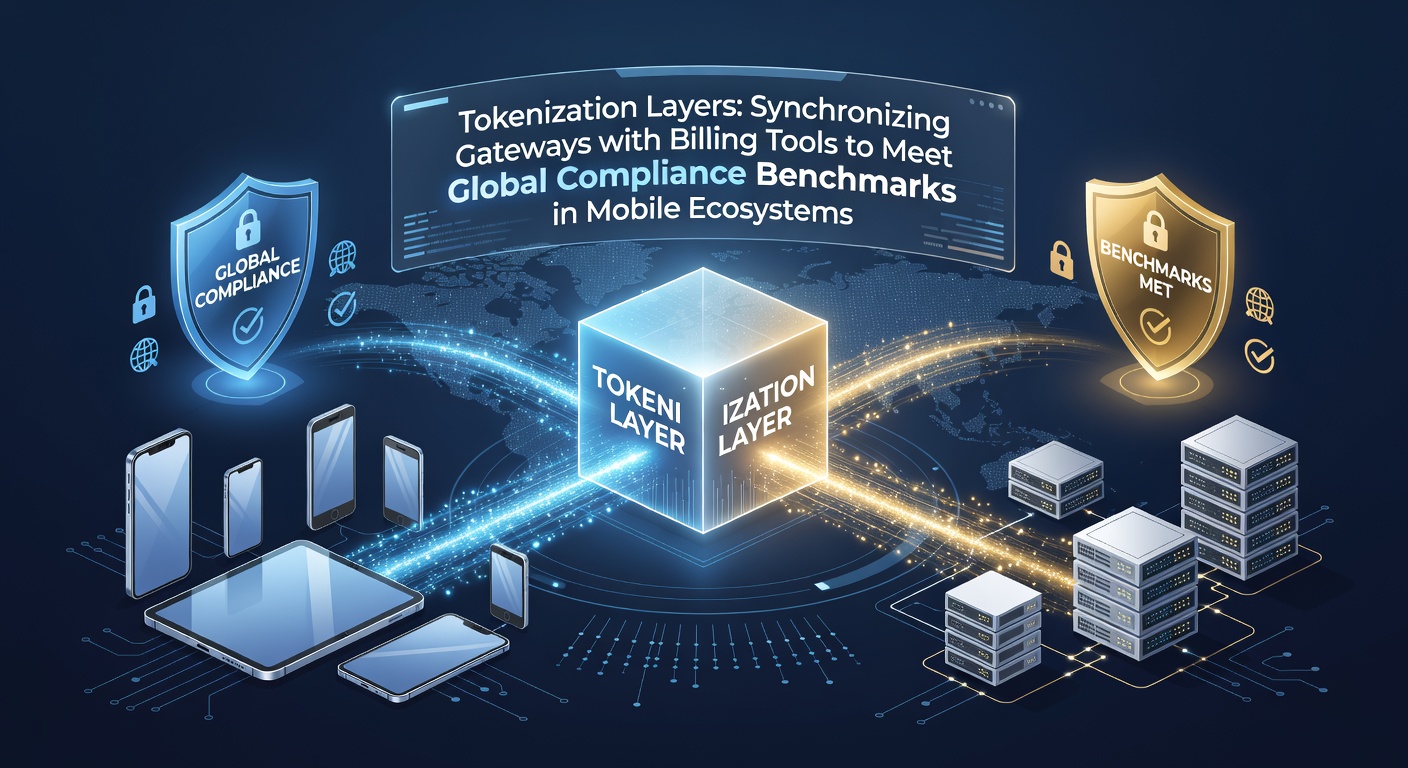
Tokenization Layers: Synchronizing Gateways with Billing Tools to Meet Global Compliance Benchmarks in Mobile Ecosystems
Tokenization layers function as intermediary systems that replace sensitive payment data with unique tokens, allowing mobile ecosystems to process transactions without exposing original card details or account numbers, and these layers require precise synchronization between gateways and billing tools to align with international standards such as PCI DSS and data protection regulations across multiple jurisdictions.
Observers note that mobile payment volumes continue to rise, with data from industry reports indicating that synchronization processes help organizations maintain audit trails and meet benchmarks for data minimization, while gateways handle authorization requests and billing tools manage recurring charges through token references rather than raw credentials.
Core Components of Tokenization Layers
Tokenization operates across multiple layers where the first layer generates tokens at the point of capture in mobile applications, the second layer manages token vault storage on secure servers, and the third layer enables detokenization only when necessary for settlement or disputes, according to documentation from standards bodies like the PCI Security Standards Council. Researchers have documented that these layered approaches reduce the scope of compliance audits because tokens hold no intrinsic value outside the specific ecosystem where they were created.
Experts have observed that integration points between gateways and billing platforms rely on API calls that map tokens to customer profiles without transmitting primary account numbers, and this mapping supports compliance with requirements in regions such as the European Union and North America where data residency rules apply.
Synchronization Processes Between Gateways and Billing Tools
Gateways receive tokenized data from mobile devices and forward requests to billing systems that validate subscription status or one-time charges, while synchronization occurs through real-time status updates that confirm token validity and prevent duplicate processing. Data shows that mismatches in these updates can trigger compliance flags during external audits, prompting organizations to implement automated reconciliation scripts that run at scheduled intervals.
Those who've studied payment infrastructure note that token lifecycle management, including issuance, rotation, and expiration, must align across both gateway and billing components to satisfy benchmarks set by frameworks such as ISO 27001 and emerging digital identity standards. In May 2026, several regulatory updates are scheduled to take effect that emphasize enhanced logging of token exchanges, requiring systems to record timestamps and participant identifiers for every synchronization event.
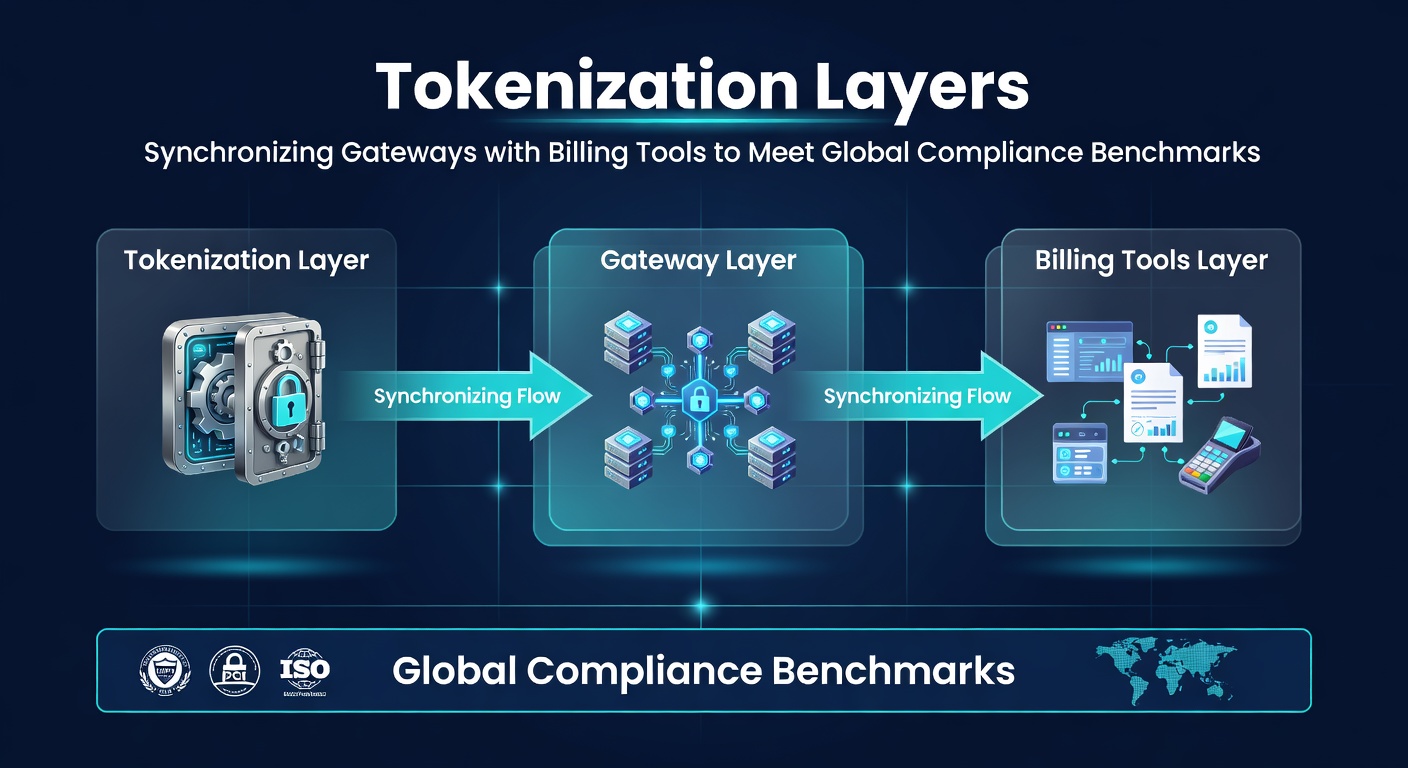
Meeting Global Compliance Benchmarks
Compliance benchmarks encompass rules on data protection, transaction security, and consumer rights that vary by region yet share common elements around token handling, according to guidance issued by the European Data Protection Board. Organizations achieve alignment by configuring token scopes so that billing tools only access tokens authorized for specific merchant categories, reducing the risk of cross-border data transfers that violate residency mandates.
Figures from academic studies reveal that mobile ecosystems adopting multi-layer tokenization experience fewer incidents of unauthorized access because each layer applies independent access controls and encryption keys, and these controls integrate with gateway routing logic to enforce geographic restrictions where required. A report from the National Institute of Standards and Technology outlines recommended practices for token format and metadata that support such controls in distributed environments.
Mobile Ecosystem Considerations
Mobile devices introduce additional variables such as intermittent connectivity and device-level storage limits, which synchronization protocols address by caching token metadata locally while keeping authoritative records on centralized vaults accessible to billing tools. People who manage large-scale deployments often discover that latency in token validation can affect user experience, leading to optimized caching strategies that still preserve full audit capabilities demanded by global standards.
Industry analyses indicate that token synchronization also supports features like subscription pauses or upgrades because billing tools reference the same token identifiers used during initial gateway authorization, creating consistent records across the transaction lifecycle. This consistency proves essential when regulators request evidence of consent management or data processing activities tied to specific tokens.
Implementation Patterns Observed in Practice
One study revealed that companies operating across multiple continents configure token layers with region-specific vaults to comply with localization rules, allowing gateways to route requests based on user location while billing systems pull from the appropriate vault. Such patterns reduce latency and satisfy audit requirements without duplicating sensitive infrastructure.
Another example involves automated token rotation schedules that gateways and billing platforms execute in tandem, ensuring that expired tokens are replaced before recurring charges occur and that all parties maintain synchronized logs for compliance reviews. These schedules typically incorporate alerts when synchronization failures exceed predefined thresholds.
Conclusion
Tokenization layers that synchronize gateways with billing tools enable mobile ecosystems to process payments while addressing the technical requirements of global compliance benchmarks, with ongoing developments such as those planned for May 2026 continuing to shape implementation details. Organizations reference established standards from bodies including the National Institute of Standards and Technology and the European Data Protection Board to guide their configurations, maintaining operational continuity across diverse regulatory landscapes.